

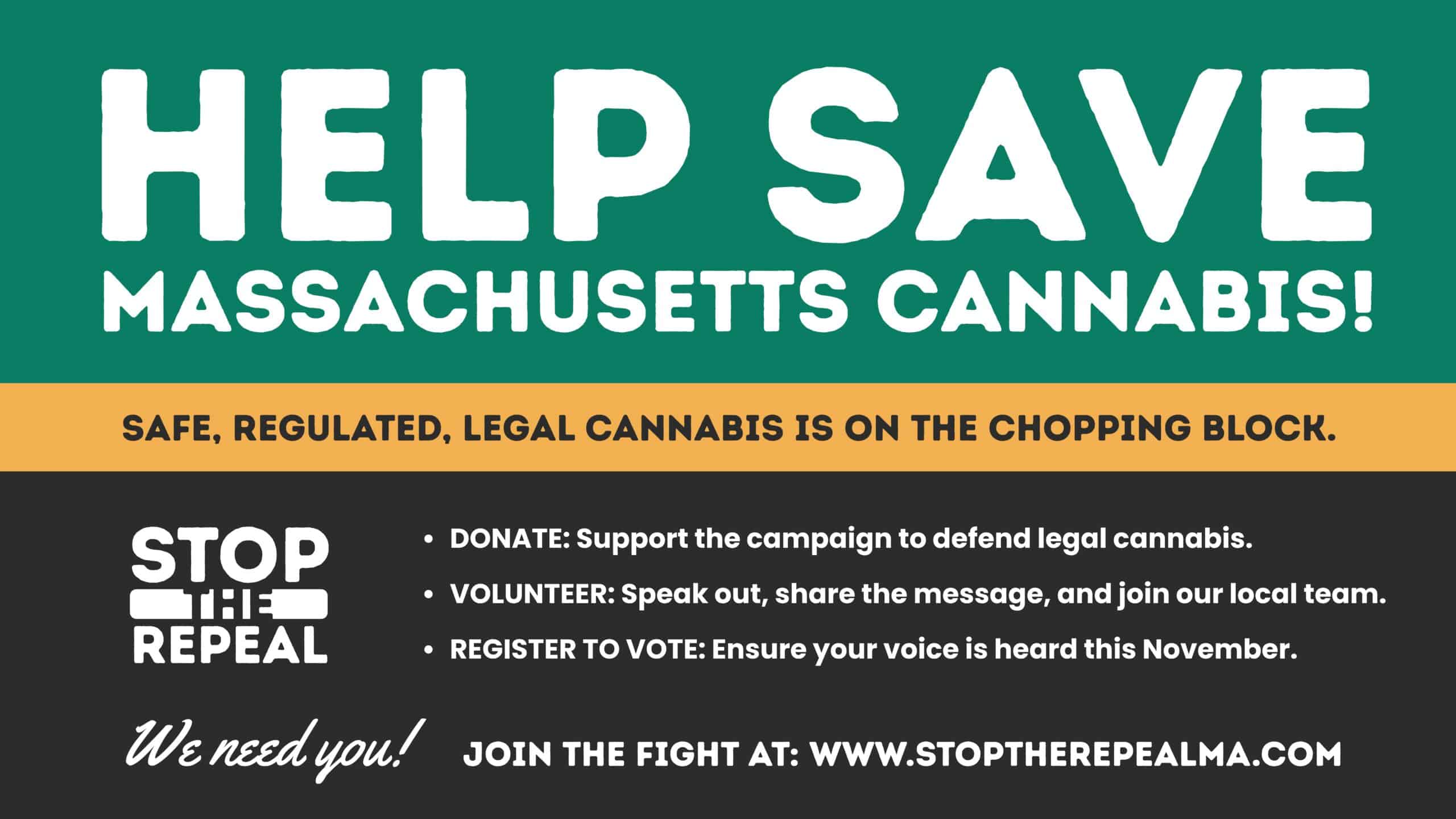
Massachusetts was an early leader in legalizing adult-use cannabis, a change that brought both economic benefits and spirited conversations about regulation and access. But as 2026 approaches, the state is heading into another chapter: a proposed ballot initiative that would repeal recreational sales, change possession rules, and reshape the industry as locals know it.

Breaking Down the 2026 Cannabis Repeal Initiative
The proposed 2026 ballot initiative, formally known as Massachusetts Question 8, aims to eliminate recreational marijuana sales statewide. Supporters of the measure want to roll back many aspects of the legal cannabis market that have been in place since voters approved adult-use sales in 2016. Under the current proposal, if the repeal passes, adult-use dispensaries would lose their ability to operate, and selling cannabis for non-medical use would become illegal again.
As of now, people age 21 and over can legally buy, possess, and use cannabis in Massachusetts under regulations set by the state. The initiative, if adopted, would reverse those rights for recreational sales and restrict legal purchase options to medical use only. Ballotpedia and multiple local news sources have summarized that the law would still allow limited personal possession at home by adults, but purchasing from a licensed adult-use store could disappear.
The change has created a debate about how the repeal would affect different stakeholders. Local officials, public health advocates, business owners, and consumers are all watching closely to see how the proposed law moves forward. Understanding the initiative’s goals and potential results matters for anyone interested in the future of cannabis in Massachusetts.

What Could Change for Consumers?
For consumers, the biggest shift would be the end of adult-use retail cannabis sales. Existing dispensaries that now serve both medical and recreational customers would be forced to scale back or close, depending on whether they can transition to medical-only operations. Adults without a medical card would lose access to legal purchases and might see changes in possession limits or enforcement priorities depending on the final law’s language.
The law also could impact enforcement and penalties. Most proposals retain some form of limited personal possession, but sharply restrict how and where cannabis is acquired. For anyone who currently buys at a dispensary, the experience would fundamentally change, especially for those who rely on the regulated market for clear information and consistent products. The shift could also influence perceptions of cannabis use and the choices available for those who do not qualify for medical cards.
It remains unclear what the practical effect would be for individuals already in possession of recreational cannabis at the time of repeal. There may be a grace period or new guidelines developed for transitions, but these details would depend on final legal language if the measure is approved by voters. Consumers are likely to have questions about rights and limitations, making it important to stay informed as official state information becomes available.
Dispensaries, Taxes, and the Broader Industry Impact
If the repeal passes, the state’s adult-use cannabis sector would shrink dramatically. According to advocacy organizations opposing the repeal, dispensaries contribute millions in tax revenue to cities, towns, and the state. These funds support everything from public infrastructure to educational programs. Rolling back recreational sales would likely put many dispensaries out of business, cost local jobs, and reduce tax revenue streams that some communities have come to rely on. Stop the Repeal MA, an advocacy group, argues that repealing adult-use cannabis could send business back to the unregulated market and reduce the oversight established through licensing.
Businesses that transition to medical cannabis only may face new operational hurdles and shifting demand. Ancillary companies, such as those in logistics or compliance, might also see an impact on business. The debate surrounding the repeal weighs the state’s economic interests against supporters’ calls for stricter controls and regulatory change.
Beyond taxes and jobs, changes in the law could shape how Massachusetts is viewed as part of the broader movement to legalize cannabis in the U.S. While some other states are expanding access or considering new reforms, a repeal in Massachusetts would mark a significant course change and could set new precedents for the region.

What Happens Next?
Question 8, titled ‘Prohibit Retail Sale of Adult Recreational Use Marijuana,’ will appear on the November 3, 2026 statewide ballot. Massachusetts voters will have the opportunity to decide the future of adult-use cannabis in 2026, but until then, dispensaries like Canna Provisions remain open under existing state law for both adult-use and medical customers. For those interested in staying updated or learning more about current options, keeping an eye on official state updates and ballot resources is helpful.
The conversation around cannabis law in Massachusetts continues to evolve, with the 2026 ballot initiative raising the stakes for consumers, businesses, and communities alike. For up-to-date details and to explore current choices, visit the Canna Provisions website.



Canna Provisions © 2026
Site by CannaPlanners